

MP 936/2020 was published by the federal government, which became known as Provisional Measure Labor, avoiding a high number of layoffs due to the new coronavirus pandemic.
To prevent layoffs, companies are allowed to cut up to 70% in the pay of formal employees and release unemployment insurance to cover this loss. This measure is optional for companies, but according to data from the Ministry of Economy, it is expected to reach 24 million workers.
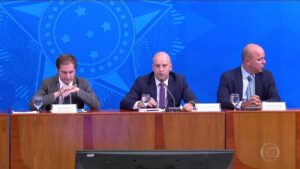
The measure is avoiding high numbers of unemployment
The measures have a deadline for adoption, for example, for reducing working hours and wages—the maximum is 90 days, and for contract suspensions, 60 days. As these are provisional measures, they fall under the scope of the decree; however, they will require 120 days for approval by Congress.
The text is based on a reduction in working hours by three percentages, which may be 25%, 50% or 70%, in the case of suspension of the contract within a period of 60 days.
Thus, labor relations as a whole seek to maintain workers' "income," not their "salary." The two main objectives are reducing working hours and suspending the employee's contract.
Business owners see it as a way to reach collective or individual wage agreements. The state is fighting against what could happen to the economy if unemployment rises, and the measure is intended to prevent an even worse collapse.
Unemployment insurance was released in the amendment to the provisional measure to benefit employers by reducing wages and preventing layoffs. The benefit amount therefore ranges from R$1,280.00 to R$1,813.00.
If the contract is terminated, the insurance will be the full amount paid. If the salary cut reaches 70%, the amount will be a percentage for unemployment benefits. The 30% percentage can be deducted from net income for income tax purposes.