

Rice and beans are considered typically Brazilian and have always been the main food, but this custom is declining in research, Brazilians are increasingly seeking it processed foods.
Although people are increasingly “time-poor”, they are always looking for alternatives for household chores and meals, processed foods are increasingly in demand.
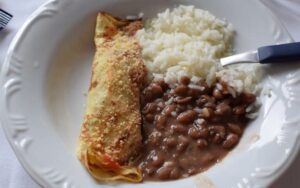
Rice and beans vs. processed foods
For example: According to data released by IBGE, in 2003 the demand for rice and beans represented 44 kg in the Brazilian diet. In 2018, the same items fell to 25.6 kg. There was a drop of almost half in consumption.
Cereals in general are becoming less and less frequent in the diet, giving way to processed foods. Therefore, the IBGE (Brazilian Institute of Geography and Statistics) reported an increase in the price of some items, such as cookies, ice cream, drinks such as soft drinks and beers, and sweets in general.
Percentage growth in 15 years:
- Preparations and mixing: +56%;
- Alcoholic beverages: +19%;
- Non-alcoholic beverages: +17%
However, one item that has stood out in terms of growth in purchases is eggs, which account for more than 3.3 kg per Brazilian each year. As well as the industrialized items in the diet of Brazilians between 2003 and 2018, they jumped from 24.1% to 32.8% in the budget.
Based on the data, rice and beans are considered the dish that has great healthy properties for the composition of human nutrients, although the search for industrialized products is growing, and with them finished products such as ice cream, cookies, and instant noodles.
These processed foods are bad for your health. Obesity has also been increasing, and the Ministry of Health has been sounding the alarm. Every year, the country sees 1 million new cases of obesity.
However, according to the IBGE, the decline in cereal consumption is more concentrated in the population with up to 2 minimum wages, compared to families with up to 25 minimum wages. The factor that justifies this, in addition to the change in habits, is another factor that influences it, which is the price of the basic food basket.