

There is definitely no way anyone can ignore the tragic changes that the coronavirus has caused across the planet, but why do so many people still not believe in its terrible impacts?
If you search on Google for the most searched words, or rather, the topic on the agenda in the last four months, you will notice that the disease “coronavirus” is undoubtedly in first place.
However, many people, governments, religious leaders, public authorities from all over the planet, continue to have a minimizing speech of the disease, considering hysteria.
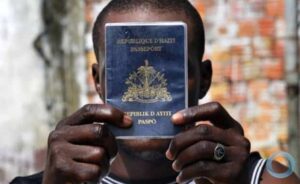
Coronavirus and the immunity passport
Hailed by tourists and travelers, “immunity passports” should never be used as a strategy to relax quarantines against the coronavirus, the WHO said in a new technical report, published on Friday night (24).
The document, which reviews 20 scientific studies, says that “there is no conclusive evidence” that people who have recovered from Covid-19 and have antibodies are protected against a second infection.”
Therefore, the WHO warned that the risk is that people who test positive will start to ignore public health advice, as they consider themselves immune to a second infection, and will soon start new uncontrollable crowds.
“The use of such certificates could therefore increase the mass risks of continued transmission,” concludes the technical recommendation from the world’s largest health body.
Final considerations on the immunity passport
According to an editorial in Folha, the WHO highlighted that immunity to a pathogen is a process that involves several reactions by the body, generally over the course of one or two weeks.
But what does this mean?
Just look: when infected by a virus, the body responds immediately with cells called macrophages, neutrophils and dendritic cells that slow the progress of the virus and can certainly even prevent it from causing future symptoms.
The WHO report highlighted that this response is therefore non-specific, in other words, it is a reaction to any invading virus. In this way, the body produces proteins called immunoglobulins, antibodies, which bind specifically to the virus.
So, what do you think? Would an immunity passport solve the situation?
Leave your opinion!
Source: Sao Paulo Newspaper.