

When you're behind the wheel, you're in control. But dashboard warning lights The car's alarms are the silent messengers that alert you when something is not right in the vehicle.
What are dashboard warning lights?
So, dashboard warning lights are more than just colored indicators that light up when you start your car.
They are sensors sophisticated and can help you in many matters.
Common warning lights on the dashboard:
The check engine light
Oil pressure warning light
THEbattery alert
Brake warning light
Coolant temperature warning light
Why Ignoring Dashboard Warning Lights Can Be Dangerous
So ignoring the dashboard warning lights is like ignoring a fire alarm.
In other words, it may seem inconsequential at the time, but it can lead to severe consequences.
Here's why:
1. Expensive repairs
The longer you ignore a warning light, the more damage you can do to your vehicle.
Therefore, what can start as a minor problem can become a major headache.
2. Security risks
Some warning lights, such as brake lights or airbag lights, are directly linked to your safety.
In this sense, ignoring these lights can put you and your passengers at risk.
In other words, imagine trying to stop your car with failing brakes or being involved in an accident only to find that your airbags won't deploy.
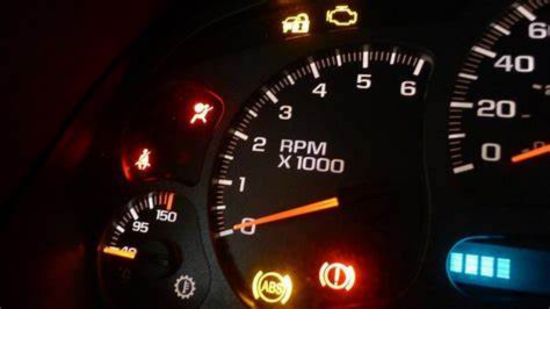
And of course, these are scenarios that no one wants to experience.
3. Reduced vehicle lifespan
Your vehicle is designed to last for years, but ignoring dashboard warnings can significantly reduce its lifespan.
So, regular maintenance is essential to keep your car running smoothly, and these lights are there to remind you when it's time to take action.
Read also:
Seized Car Auction- How Does It Work?
By addressing problems early, you can extend the life of your vehicle and ensure it remains reliable.
What to do when a warning light comes on
When a warning light comes on, your first instinct may be to panic, but staying calm and following a few simple steps can save you.
1. Pull over safely
If a serious warning light, such as the oil pressure light or coolant temperature light, comes on, pull safely to the side of the vehicle.
2. Consult the Owner's Manual
The owner's manual of your vehicle is your best friend in these situations.
3. Get professional help
For more serious issues, it is important to call your trusted mechanic.
Preventative measures to avoid warning lights
1. Regular maintenance checks
2. Monitor fluid levels
3. Listen to your car
Conclusion: Don't ignore the signs
Dashboard warning lights aren't just suggestions—they're warnings that something is wrong with your vehicle.
Ultimately, ignoring them can lead to costly repairs, safety risks, and reduced vehicle lifespan.
So, by understanding what each light means and taking immediate action.