

Brazil must increase the efficiency of companies and expand the productivity of the productive sector and competitiveness of the country, a program on a journey of digital transformation. This is the main objective of the Brasil Mais program, which in Rio Grande do Norte alone will serve 500 companies.
The Brasil Mais program. Coordinated by the Ministry of Economy, Brasil Mais, which will be managed by the Brazilian Agency for Industrial Development (ABDI), will serve 200,000 micro, small and medium-sized enterprises in the industry, commerce and services sectors throughout the country by 2022.
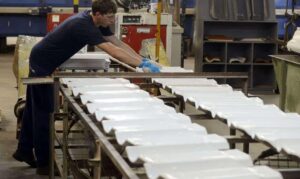
The decree that created the program was signed on Tuesday (18/02) by President Jair Bolsonaro. The National Industrial Training Service (SENAI) and the Brazilian Micro and Small Business Service (Sebrae) will be responsible for implementing it. The program's intention is to help reduce costs when producing a drill or even more sophisticated electronic equipment.
Project Objective
Therefore, Brasil Mais aims to increase the efficiency of companies and increase the productivity and competitiveness of the Brazilian production sector in a journey of digital transformation. However, the program will also serve the trade and services sectors throughout the country until 2022.
Increase in GDP in the next decade
Above all, the Federal Government's intention is to increase the share of small businesses in the GDP from 27% to 40% in the next decade. SENAI will contribute to improving the production processes of industrial clients. The institution will serve establishments with 11 to 499 employees. This range includes most companies in the auto parts sector and the production of other tools used by automakers.
Meanwhile, Sebrae will serve micro and small businesses, primarily in the trade and services sectors. The agency will offer technical guidance and individual consulting services so that clients can improve their skills and management practices.
Therefore, micro and small companies that opt for this axis must have gross revenue of up to R$4.8 million. The auto parts and other tools production sector.