

The impacts of the new coronavirus on Brazilian society and workers are beginning to have an effect, and they are not at all pleasant. In São Paulo, where we have the highest number of deaths, the situation is becoming increasingly worrying.
Tragic scenario: sales drop, stores closed, workers unable to go to work and even a shopping mall closed and turned off the electricity to the stores, forcing the entrepreneur to sell his food stock in a hurry, leaving the manicurist without work.
These are some of the difficulties faced by MEIs (individual microentrepreneurs), small and medium-sized entrepreneurs and even franchise chains during the new coronavirus quarantine.
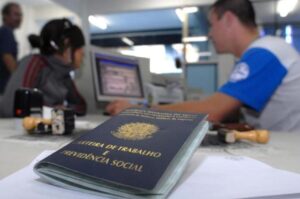
Unemployed workers
For example, manicurist Priscila Aparecida dos Santos says her monthly income fell from an average of R$2,300 to a maximum of R$500 in March, due to the drop in services at the Mr. Show salon in downtown Campinas (SP), where she works. Although she has been an MEI for a year, she says she doesn't know what she will do to continue working.
Likewise, Mr. Show served about ten clients per day. Business fell until it reached zero when the salon had to close by order of the state government.
While Bruno Tavares, owner of the Muchachela restaurant, has been running to set up a delivery service, the rains that hit Baixada Santista in early March forced Bruno Tavares, owner of the Mexican restaurant Muchachela, in São Vicente (SP), to close his business for 14 days. However, the loss was R$1,400,000 during the period of closure. Days after reopening, the place was closed again.
Workers lose jobs and stores start without electricity
The crisis is also affecting restaurant chains. Camila Miglhorini, founder and CEO of Mr. Fit, says she is helping her franchisees who are struggling. The chain has 134 units, including its own and franchises, in 17 states.
The manicurist says that the chain is focusing on delivery, but not all franchisees are able to work with home deliveries. Meanwhile, the João Pessoa (PB) unit is having problems getting around after the city government suspended public transportation.
We have another problem, she says, which occurred in a shopping mall in Rio de Janeiro, which turned off the electricity in the stores. “Imagine us trying to quickly remove perishable products so they don’t spoil.
However, the chain helped the franchise owner sell his products to another franchisee who, because he is not in a shopping mall, will be able to operate with delivery,” he said. Under pressure from store owners, the mall reconnected the power to the stores the following day.
For more updates on the current situation in Brazil and the response to Covid-19, Click here.